
For many men and women across the country, the mirror can become a source of frustration as the hairline begins to recede or the crown starts to thin. It is a common experience, yet it often feels deeply personal and isolating. In the past, the idea of a hair transplant was something reserved for celebrities or those willing to embark on risky journeys abroad. However, the landscape has changed significantly. Today, choosing a hair transplant scotland has become a preferred route for those looking to restore their confidence without the stress of international travel.
The decision to undergo a hair transplant is rarely made overnight. It usually follows months, if not years, of trying various lotions, specialised shampoos, and perhaps even different hairstyles to hide the thinning areas. When these temporary fixes no longer provide the desired result, the conversation naturally turns toward more permanent solutions. Scotland has seen a surge in world-class clinics that offer the same, if not better, levels of expertise and technology as those found in major global hubs, making the process more accessible than ever before.
Why staying in Scotland for your procedure makes sense
While the allure of low-cost packages in places like Turkey can be tempting, there are several practical and medical reasons why people are opting to stay closer to home. The convenience of being in the same time zone and a short drive or train journey away from your surgeon cannot be overstated. Hair restoration is not just a one-day event; it is a journey that involves preparation, the procedure itself, and a crucial recovery period.
- Regulatory Peace of Mind: Clinics in Scotland are strictly regulated by Healthcare Improvement Scotland (HIS). This ensures that the facility meets rigorous safety and hygiene standards, providing a level of protection that you might not find elsewhere.
- Personalised Aftercare: If you have a question three days after your surgery, or if you want the surgeon to take a quick look at your healing progress, you can simply book an appointment. Having your medical team in the same country is invaluable for peace of mind.
- No Language Barriers: Clear communication is essential when discussing your desired hairline and expectations. Being able to speak freely with your surgeon ensures that nothing is lost in translation.
- Travel Stress: Flying immediately after surgery is often uncomfortable. Staying local allows you to recover in the comfort of your own home, which can actually improve the healing process.
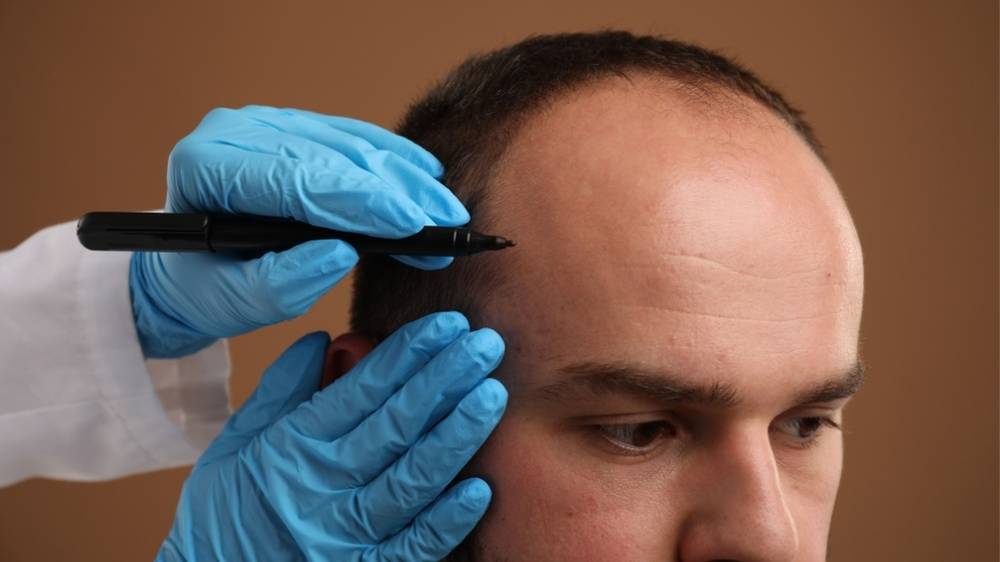
Understanding the modern techniques available
The technology behind hair restoration has advanced rapidly over the last decade. Gone are the days of the obvious ‘plug’ look that was common in the eighties. Modern techniques are designed to mimic the natural growth patterns of your hair, ensuring that the results are virtually indistinguishable from your original hair.
Follicular Unit Extraction (FUE)
FUE is currently the most popular method for a hair transplant Scotland. This technique involves extracting individual hair follicles from a ‘donor area’—usually the back or sides of the head where hair is more resistant to thinning—and transplanting them into the recipient area. Because the follicles are taken one by one using a specialised micro-punch tool, the scarring is minimal and appears as tiny dots that are almost invisible even with short hair. The recovery time is also relatively quick, with most people returning to their normal routine within a week or two.
Follicular Unit Transplantation (FUT)
While FUE is more common, FUT (sometimes called the ‘strip method’) is still a highly effective option for certain patients. In this procedure, a small strip of skin containing hair follicles is removed from the donor area. The strip is then divided into individual grafts under a microscope and transplanted. While this does leave a linear scar, it is often hidden by surrounding hair and can be a more efficient way to transplant a large number of grafts in a single session.
What to actually expect on the day of surgery
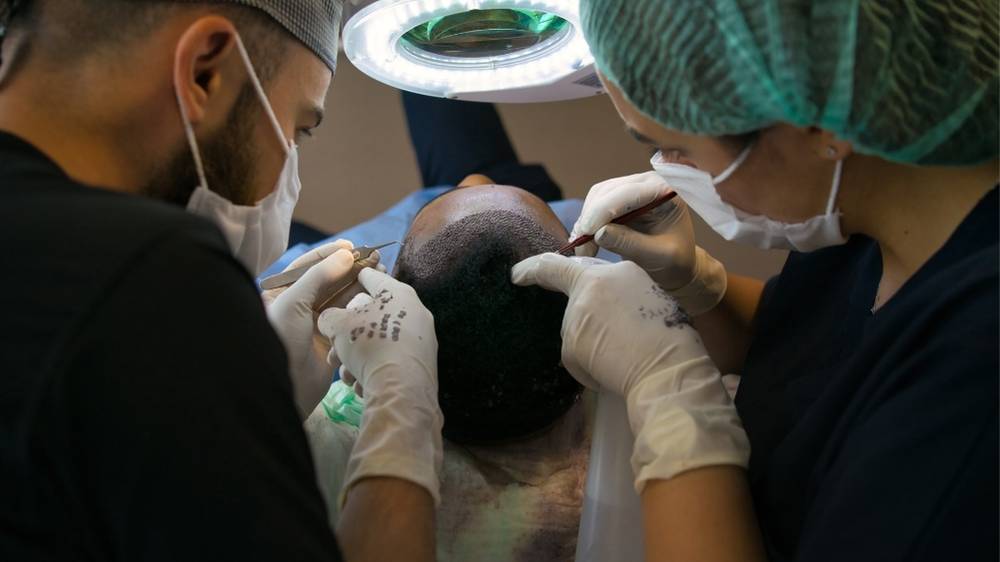
One of the biggest anxieties people have is what actually happens when they walk into the clinic. Most hair transplant procedures are performed under local anaesthetic, meaning you are awake and alert but the scalp is completely numbed. You can spend the day listening to music, watching a film, or even chatting with the surgical team. The process is meticulous and can take anywhere from four to eight hours, depending on the number of grafts required.
The surgeon and their team will carefully prepare the recipient sites, paying close attention to the angle, depth, and density of the grafts. This artistic element is what separates a good transplant from a great one. The goal is to create a hairline that looks natural not just today, but as you continue to age. Once the procedure is finished, you will be given a detailed aftercare pack and instructions on how to wash your hair and protect the new grafts during the first few critical days.
The cost factor and finding value
When researching a hair transplant Scotland, price is inevitably a major consideration. It is important to view this as a long-term investment in yourself. The cost generally depends on the extent of your hair loss and the number of grafts needed to achieve your desired look. While a local procedure might have a higher upfront cost than a ‘medical tourism’ package, the value lies in the safety, the expertise of the surgeon, and the quality of the follow-up care.
Most reputable clinics will provide a transparent quote during your initial consultation. This should include the surgeon’s fees, the use of the facility, and all post-operative appointments. Some clinics also offer financing options to help spread the cost, making the dream of a fuller head of hair more manageable for different budgets.
Navigating the recovery period
The first few days after your transplant are the most important. You will likely experience some redness and slight swelling, which is a completely normal part of the healing process. Tiny crusts will form around each graft, but these typically fall off within ten days. It is essential to follow the washing instructions provided by your clinic to ensure the grafts remain healthy.
A common phenomenon that surprises many patients is ‘shock loss.’ Around two to four weeks after the procedure, the newly transplanted hairs will often fall out. This can be alarming, but it is a perfectly natural part of the hair growth cycle. The follicles remain healthy and dormant beneath the skin, and you will start to see new, permanent growth appearing around the three-to-four-month mark. The full results of your hair transplant Scotland are usually visible after twelve to eighteen months.
How to choose the right surgeon for you
Finding the right professional is the most critical step in your journey. You should look for a surgeon who specialises specifically in hair restoration and has a proven track record of successful outcomes. Don’t be afraid to ask questions during your consultation. A good surgeon will be honest about what can be achieved and will never pressure you into making a decision.
- Check their credentials: Ensure the surgeon is registered with the General Medical Council (GMC) and has specific training in hair transplant techniques.
- View before and after photos: Look for patients with similar hair types and loss patterns to your own to see what kind of results the surgeon typically achieves.
- Ask about the team: A hair transplant is a team effort. Ask about the experience of the technicians who will be assisting the surgeon.
- Read reviews: Look for independent reviews from previous patients to get an idea of the clinic’s level of service and care.
Taking the time to do your research ensures that you feel confident and comfortable on the day of your procedure. A consultation is a two-way street; it is an opportunity for the surgeon to assess your hair loss, but it is also your chance to gauge whether you trust their expertise and feel comfortable in their clinic environment. By staying local and choosing a specialist within Scotland, you are giving yourself the best possible chance of a successful, stress-free transformation.
Taha is a writer and curator who focuses on South Asian visual arts, from classical painting styles to modern artistic movements. He explores the evolution of design, symbolism, and the impact of historical influences on contemporary art.